

- Duration: 12
- Max Capacity: 50
- Schedule: 7:00 AM
American Music
from the Cotton Fields to the Factories
From $0,000 per person + air fare
Single Supplement $000
April 20th - 26th
May 11th - 17th
May 18th - 24th
June 8th - 14th
June 22nd - 28th
August 10th - 16th
August 17th - 23rd
September 7th - 13th
Mississippi Delta, Memphis, Nashville, Chicago, Detroit and Cleveland OH
(From the Cotton Fields to the Factories)
Tracing the roots of African American Music from the southern cotton fields to the northern factories.
Memphis (STAX), Nashville (AAMM), Chicago (Chess Records, Detroit (Motown)
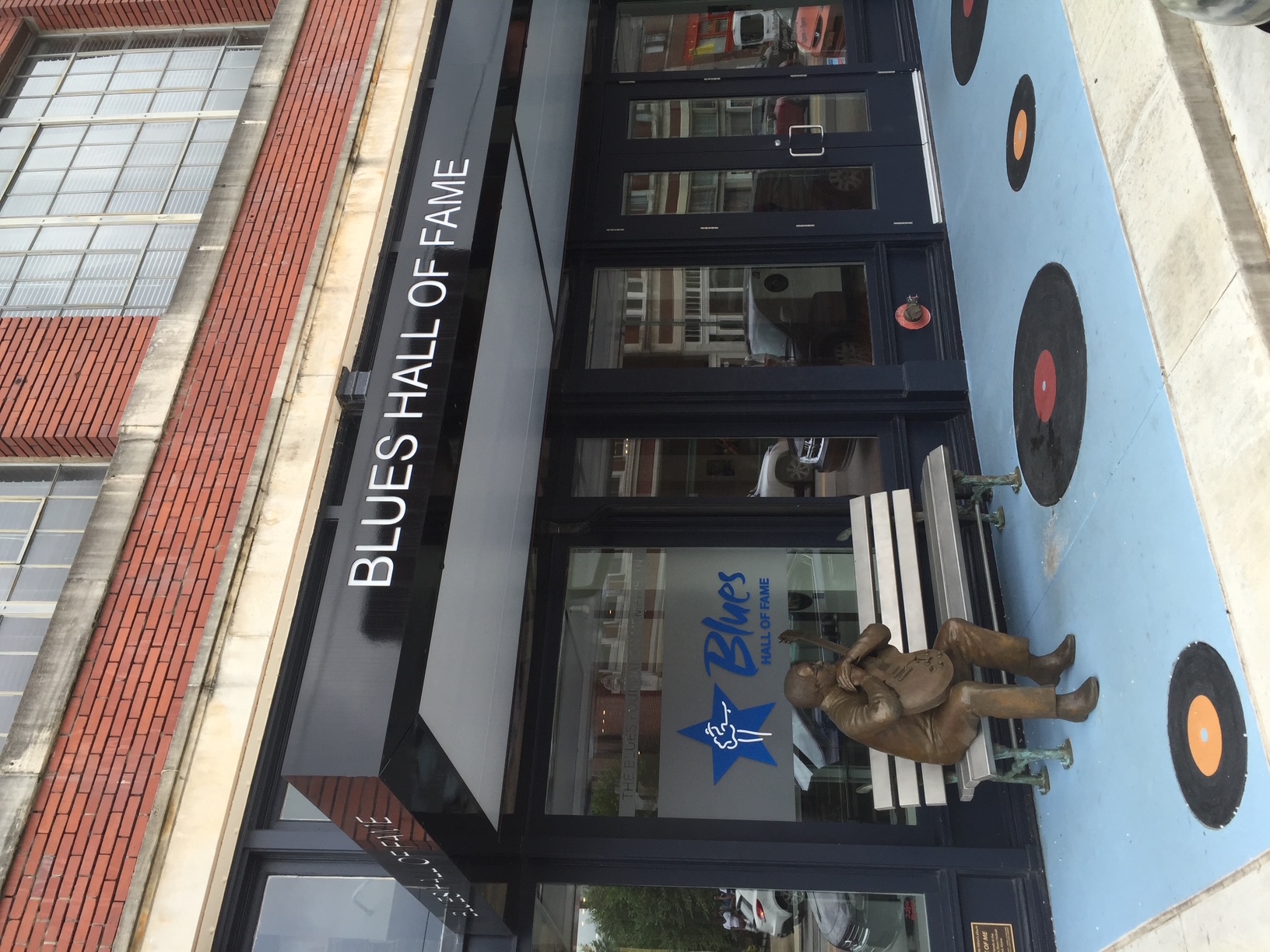
The American South is known as the “Birthplace of America’s Music” and has literally shaped the course of modern music with its contributions to blues, jazz, rock, country, and gospel.
The blues originated in the Deep South, particularly among African American communities in Mississippi and Louisiana. It emerged from the work songs, spirituals, and folk traditions of enslaved people, evolving into a distinct musical form characterized by its expressive melodies and poignant lyrics. Artists like B.B. King and Muddy Waters played a crucial role in popularizing the blues, using their music to articulate the pain and resilience of the African American experience.
Jazz, on the other hand, emerged in New Orleans in the early 20th century, blending elements of blues, ragtime, and African rhythms.
Pioneering musicians like Louis Armstrong and Duke Ellington pushed the boundaries of jazz, infusing it with their unique styles and creating a new musical language that resonated with audiences across racial and cultural divides.
The Harlem Renaissance of the 1920s further propelled the popularity of jazz, as African American artists gained recognition and influence in mainstream culture. Jazz clubs, such as the Cotton Club and the Apollo Theater, became vital spaces for artistic expression and cultural exchange. The genre's impact extended beyond music, influencing literature, visual arts, and social movements, ultimately shaping the identity of modern America.
The Rise of Rhythm & Blues and Rock 'n' Roll
The mid-20th century saw the rise of rock 'n' roll, a genre that would revolutionize the American music landscape. Rooted in the rhythms of blues, country, and rhythm and blues, rock 'n' roll emerged as a cultural phenomenon in the 1950s, characterized by its energetic beats, catchy melodies, and rebellious spirit.
Artists like Little Richard, Chuck Berry, and Elvis Presley became iconic figures, pushing the boundaries of race and gender in music. Rock 'n' roll was not just a musical style; it was a cultural movement that challenged societal norms and embraced youthful rebellion. The genre's popularity coincided with significant social changes in America, including the civil rights movement and the counterculture of the 1960s.
Presley's fusion of rock, pop, and country music broke down racial barriers, bringing African American musical traditions to mainstream audiences. His charismatic performances and unique style captured the hearts of millions, making him a symbol of the era.
Similarly, Chuck Berry's innovative guitar work and storytelling lyrics laid the groundwork for future rock musicians, influencing generations to come.
As rock 'n' roll evolved, it gave rise to various subgenres, including psychedelic rock, punk rock, and heavy metal. Each of these styles reflected the changing social landscape and the evolving tastes of listeners. Festivals like Woodstock in 1969 epitomized the spirit of the era, celebrating peace, love, and music as a unifying force.
In summary, the historical roots of American music are a testament to the nation's diverse cultural heritage. From indigenous influences and folk traditions to the birth of blues and jazz and the rise of rock 'n' roll, each chapter in this musical journey reflects the complexities of American identity. These genres not only shaped the sound of a nation but also served as powerful vehicles for social change and artistic expression, leaving an indelible mark on the global music landscape.
Rock and Roll Hall of Fame and Museum, a museum and hall of fame in Cleveland, OH, that celebrates the history and cultural significance of Rock music and honors the contributions of those who have played an important role in the music’s creation and dissemination.
Clarksdale, Miss., can lay a pretty fair claim to being the capital city of the blues — Muddy Waters, John Lee Hooker, Son House, and Ike Turner, among many other musical luminaries, lived here at one time or another; Bessie Smith died here; and Clarksdale is the site of the legendary "crossroads" where blues pioneer Robert Johnson reportedly sold his soul to the devil in return for guitar prowess — but nobody has ever mistaken it for a gastronomic destination.